
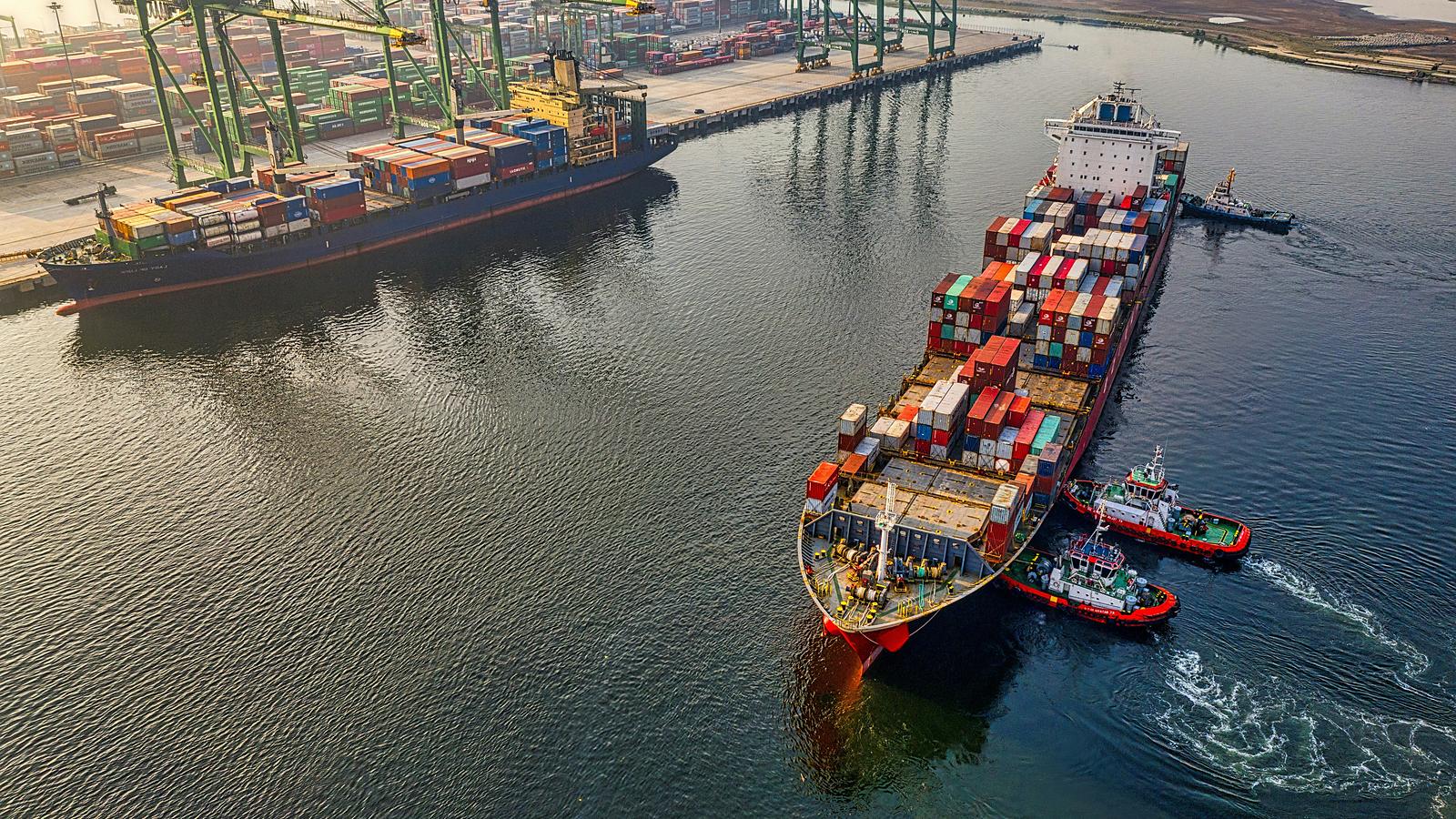
Sea Freight
The cheapest mode — and the least forgiving
Sea freight moves volume at a cost air can't touch. But a container is at sea for weeks, and nobody can intervene mid-ocean. Whatever protects the product has to work unattended, first time, for the whole crossing.
Reefer or dry?
It turns on what the product tolerates over a multi-week transit, and how much ambient variation the route throws at it.
Refrigerated container
Actively holds its setpoint for the whole crossing, powered by the ship and plugged in at the terminal.
- Holds 15–25°C or 2–8°C for the full transit
- Handles equator crossings and seasonal extremes
- Continuous temperature record, not a spot check
Standard container, protected load
Cheaper per unit. Suitable where the product tolerates ambient, or where thermal protection covers the gap.
- Lower cost, far wider availability
- Thermal blankets and liners where the route needs them
- Good fit for stable, ambient-tolerant product
We lease directly from the shipping lines, so we're not pushed toward whichever box a broker has spare. We'll tell you which one your product actually needs.
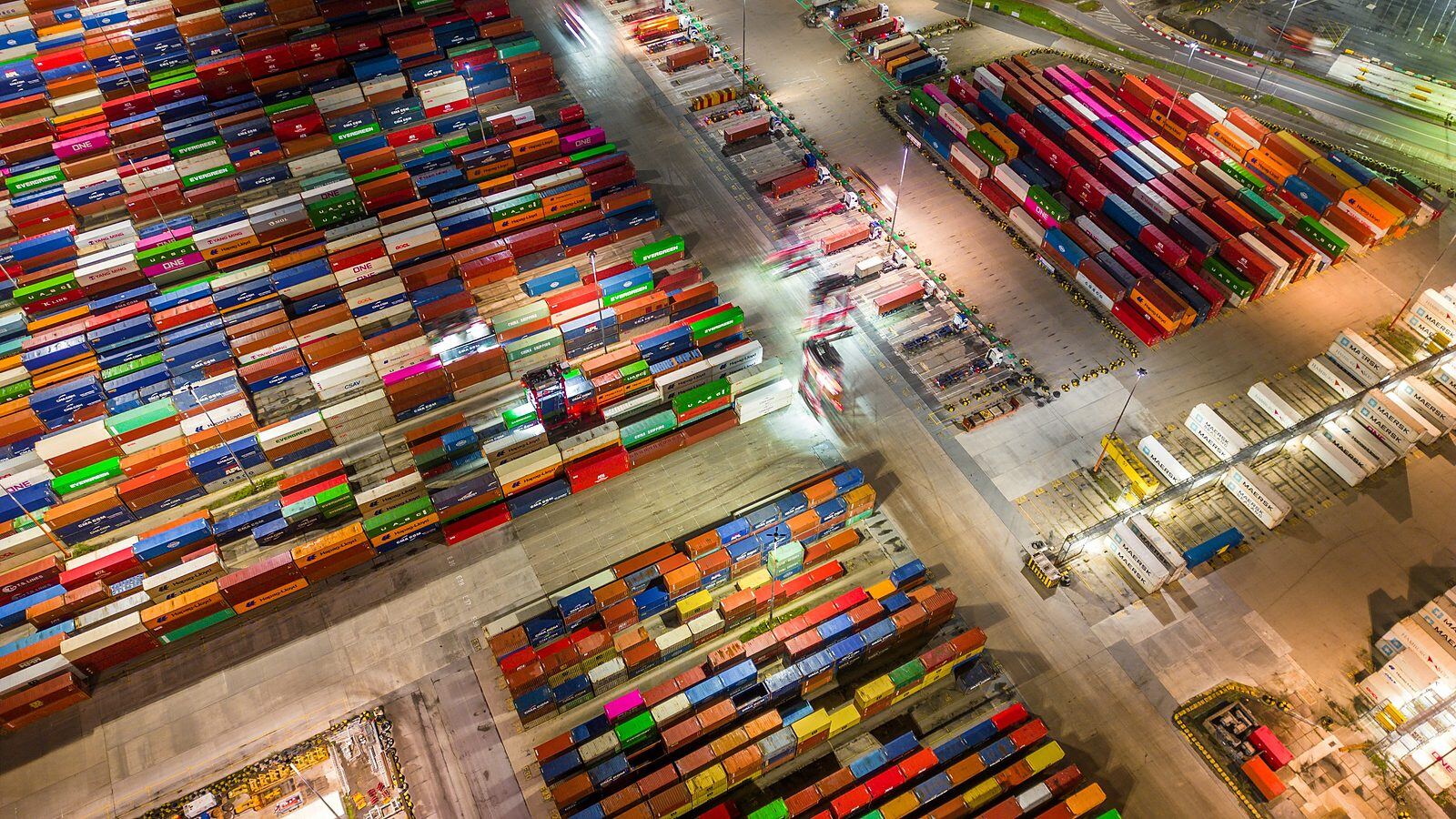
What happens when a reefer loses power
A reefer that drops off power at 2am in a transhipment port is the single biggest cause of loss in pharma sea freight. Nobody is watching. The temperature climbs quietly for hours.
So we plan for it before it happens: genset availability on the routes that need it, plug-in points confirmed in advance, and a documented CAPA process for when something still goes wrong. Because occasionally it will.
Quay to door,
one chain of custody
The vessel is the long part. The risk is concentrated at both ends: loading, transhipment, clearance, and the last mile.
Price a sea laneGDP-Trained Team in Southampton
A dedicated healthcare desk at our central hub, with support from Datchet (LHR). You speak to people who know what an excursion means.
Reefer & Dry, Leased Direct
Containers leased directly from the shipping lines: no broker margin, no compromise on equipment.
FCL Loading in a GDP Environment
Load and unload at 15–25°C and 2–8°C. The container is only as compliant as the shed it's stuffed in.
Audited Reefer Hauliers
Approved, pharma-trained hauliers for the last mile, with daily deliveries and pre-booked slots at major pharma distribution sites.
Data Loggers & Real-Time Tracking
Continuous monitoring throughout, reporting to the control tower.
In-House Customs Clearance
Cleared by our own team on arrival. A held container is a container drawing power it may not have.
Shipping pharma by sea?
Reefer or dry, genset contingency, and a GDP-trained team in Southampton who will actually answer the phone. Tell us the lane and we'll price it.