
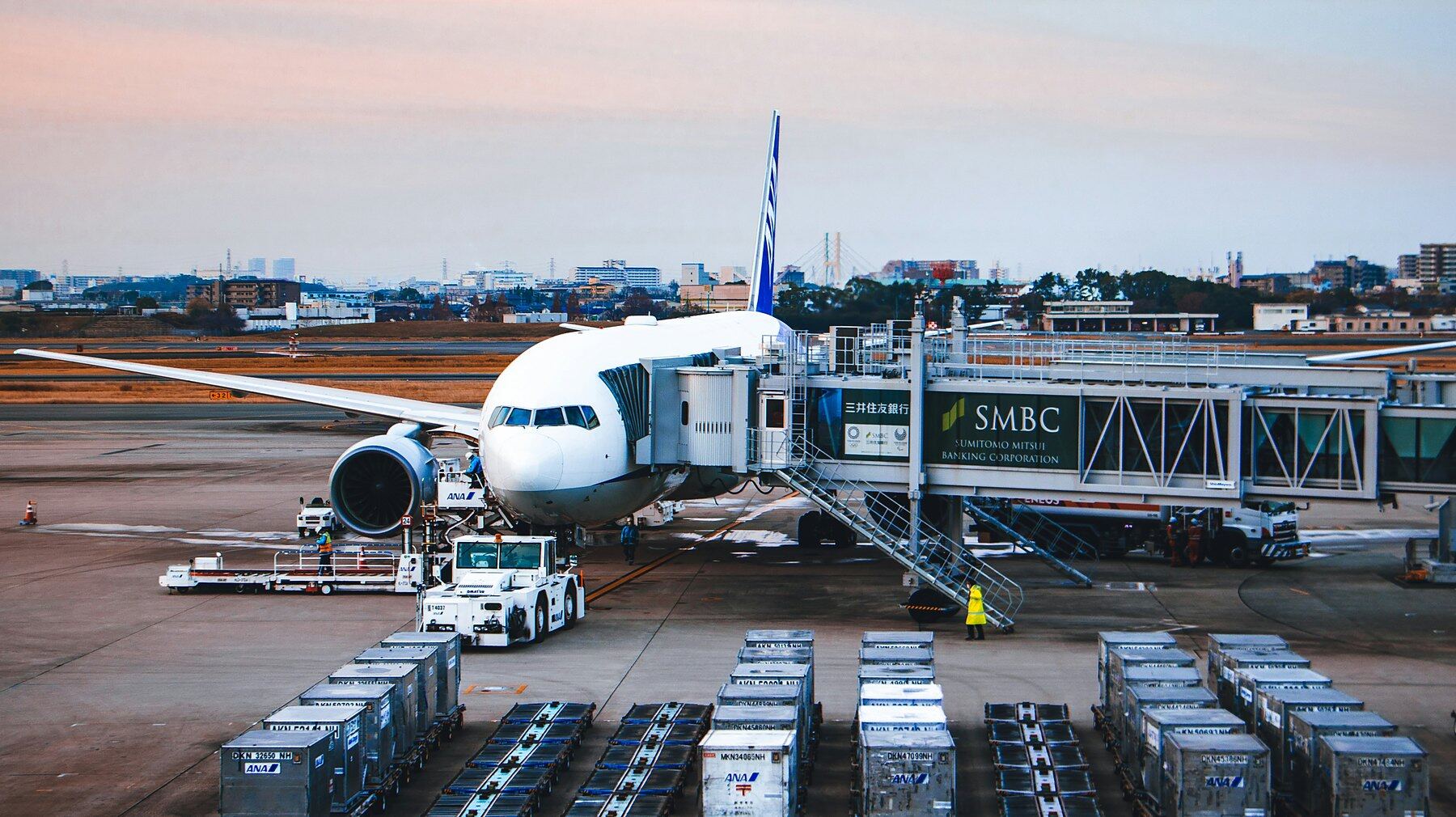
Air Freight
Speed is the reason. Temperature is still the risk.
Air freight solves the clock. It does not solve the cold chain: a consignment can sit on an apron in direct sun, transit an unconditioned warehouse, or wait out a delay on the tarmac. The packaging decision is what protects the product, and we make it with you before the booking, not after.
Passive or active?
The right answer depends on lane duration, ambient extremes, and what the product tolerates. Here's how we weigh it.
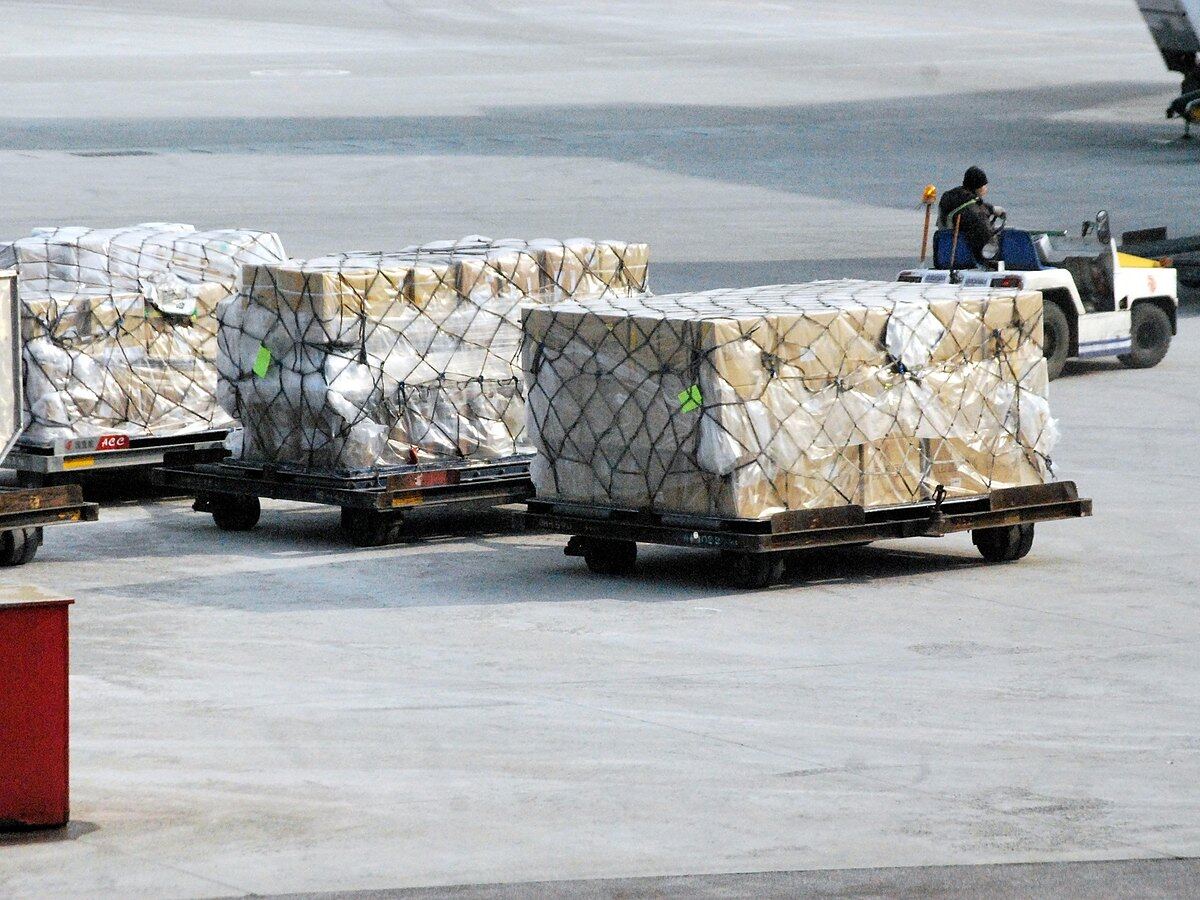
This is where product gets lost
Not in the air. On the ground. Pallets sitting on an apron in direct sun, in an unconditioned build-up warehouse, or waiting out a delay. The flight is climate-controlled; the hours either side of it are not.
Your packaging has to survive the whole journey, not just the flight. That's the decision below.
Insulated shippers & phase-change material
No power, no moving parts. The pack holds the temperature for a validated duration and no longer.
- Lower unit cost, no charging or handling protocol
- Nothing to fail mid-flight
- Well suited to shorter, predictable lanes
Powered container solutions
The container actively maintains its setpoint and reports on it. Cost is higher; so is the margin for error.
- Holds setpoint regardless of lane duration
- Rides out delays, diversions, and apron dwell
- Live temperature reporting in transit
We don't have a house preference to sell you. We map the lane, look at the season, and recommend the option that keeps the product in range at the lowest sensible cost, then validate it before it flies.
Door to door,
not airport to airport
The flight is the easy part. The exposure is in the collection, the handling, the customs hold, and the last mile. We cover all of it inside one chain of custody.
Price an air freight lanePassive & Active Packaging
Both options sourced, validated, and matched to the lane, including active container solutions for CRT and COL.
15–25°C and 2–8°C Door to Door
Direct and indirect routings, with temperature-controlled collection and delivery at both ends.
Thermal Blanket Application
Applied where the routing calls for it. Apron exposure and unconditioned dwell are planned for, not discovered.
In-House Customs Clearance
Cleared by our own licensed team, not passed to a third-party broker's queue. A held consignment is a warming consignment.
Data Loggers & Live Monitoring
Every shipment reports to the 24/7 control tower. If it drifts, we know. You hear it from us.
Datchet, Beside Heathrow
Our LHR-side operation means collection, build-up, and clearance happen where the freight already is.
When air is the right call
Short shelf life
Where the product's remaining life won't survive a sea crossing, the freight cost is the cheaper half of the equation.
High value, low volume
Biologics, vaccines, and clinical trial material, where the cargo value dwarfs the mode premium.
Stock-out risk
When a line is about to run dry or a patient is waiting, the question stops being what it costs to fly.
Not sure air is right for this one? Say so in your enquiry. We'll tell you honestly if road or sea would serve you better. We'd rather keep the customer than win the booking.
On a deadline?
Send us the lane, the temperature range, and the date it has to land. We'll come back with a packaging recommendation and a price, usually within one working day.